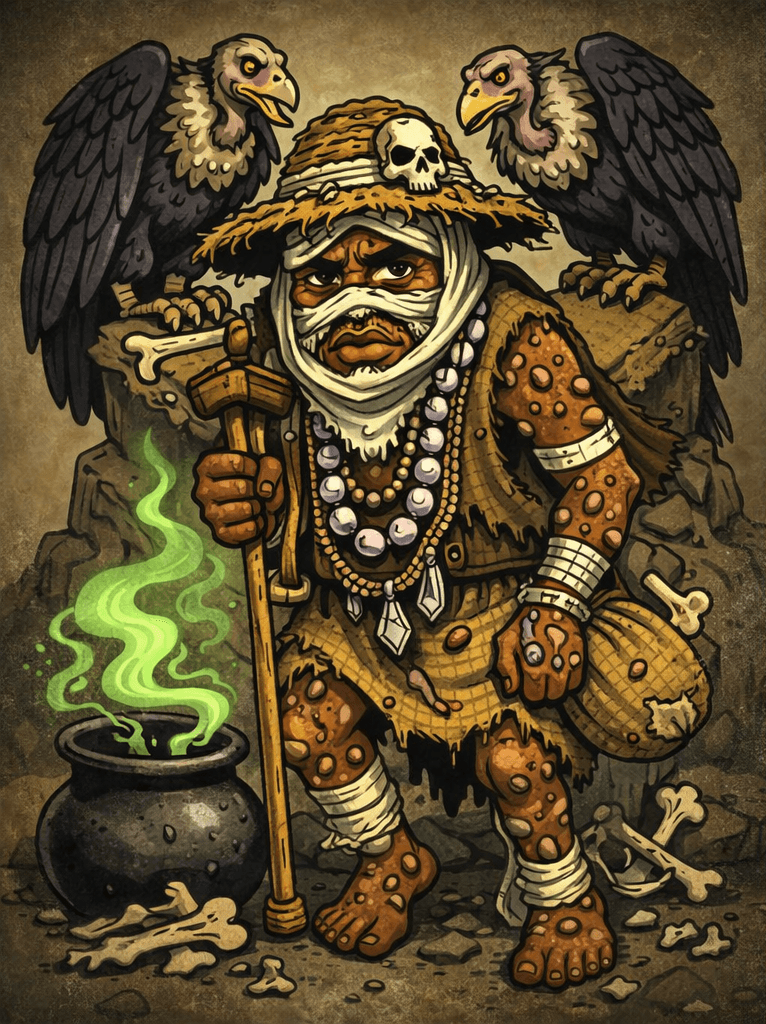
From Yoruba West Africa to Cuban Salsa
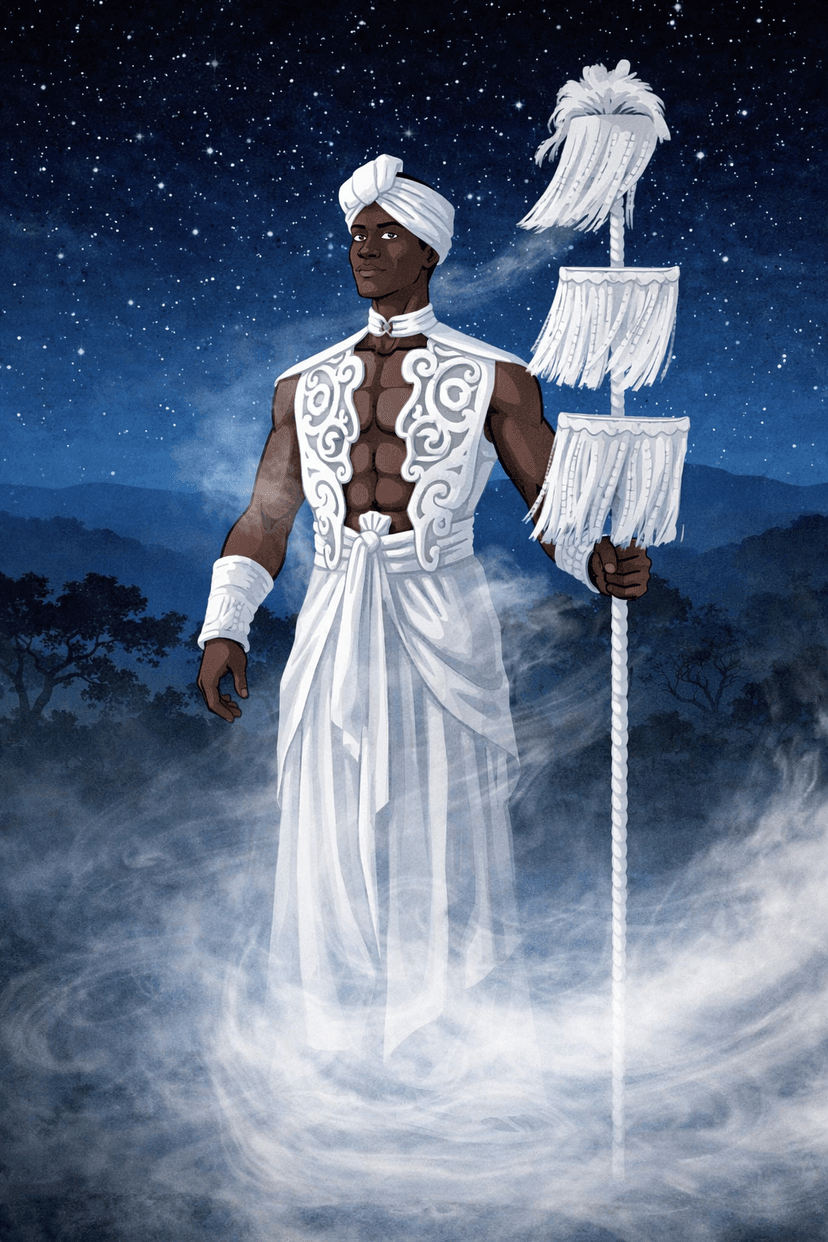
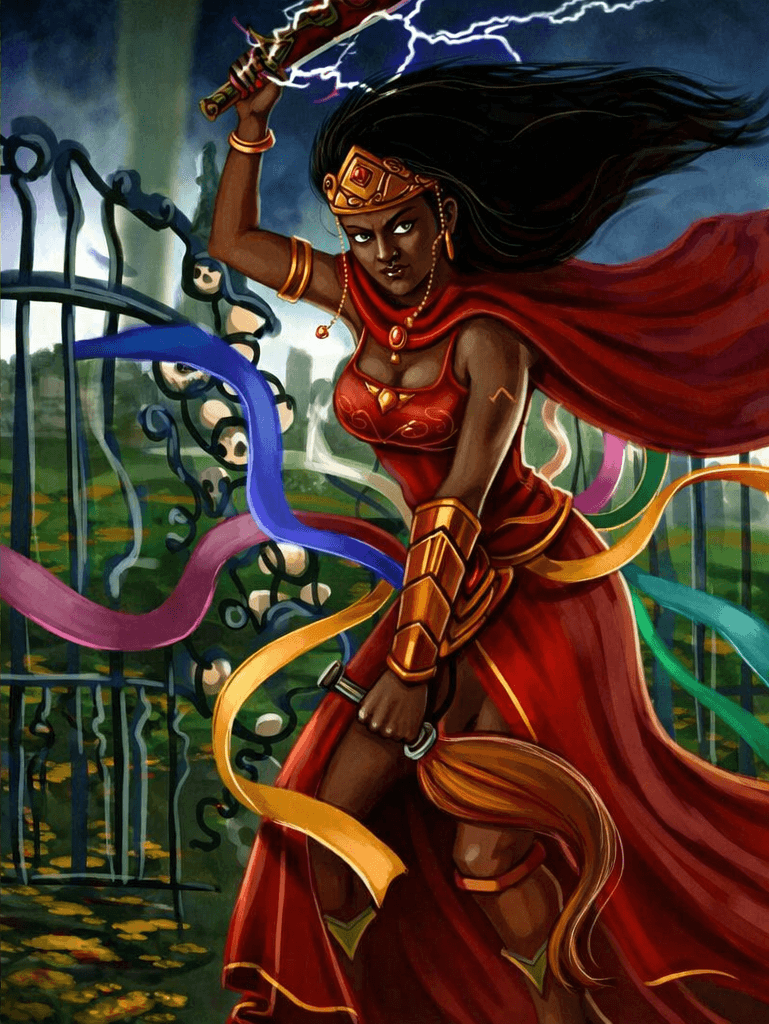
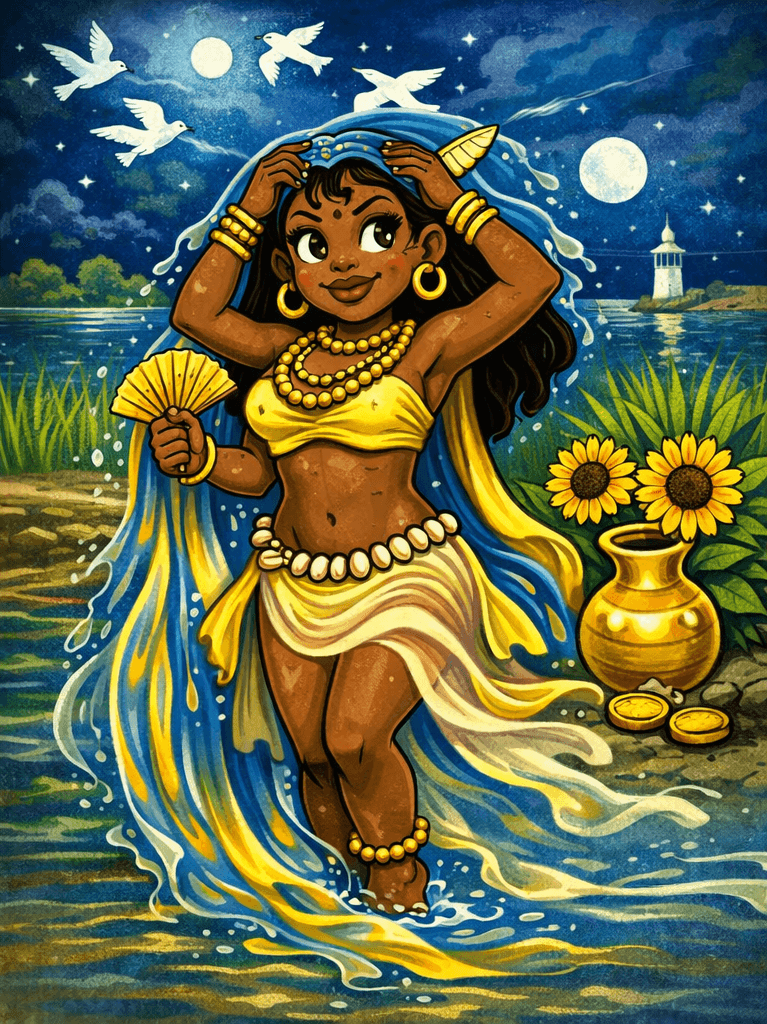
The Orishas are sacred deities of the Yoruba people of West Africa, in what is now Nigeria and Benin. When millions of Africans were taken to Cuba during the transatlantic slave trade between the 16th and 19th centuries, they carried their religion, music, and movement with them. Under Spanish colonial rule, enslaved Yoruba people were forced to convert to Catholicism - and they responded by syncretising each Orisha with a Catholic saint, hiding their faith in plain sight. This blended tradition became known as Santería, or Lucumí. The drums never stopped. The rhythms of the Bata, Conga, and Bembe - the sacred percussion patterns used to summon each Orisha - survived intact, were passed from generation to generation, and eventually flowed directly into Cuban son, mambo, rumba, and finally modern salsa.
How Orisha Rhythms Live Inside Salsa
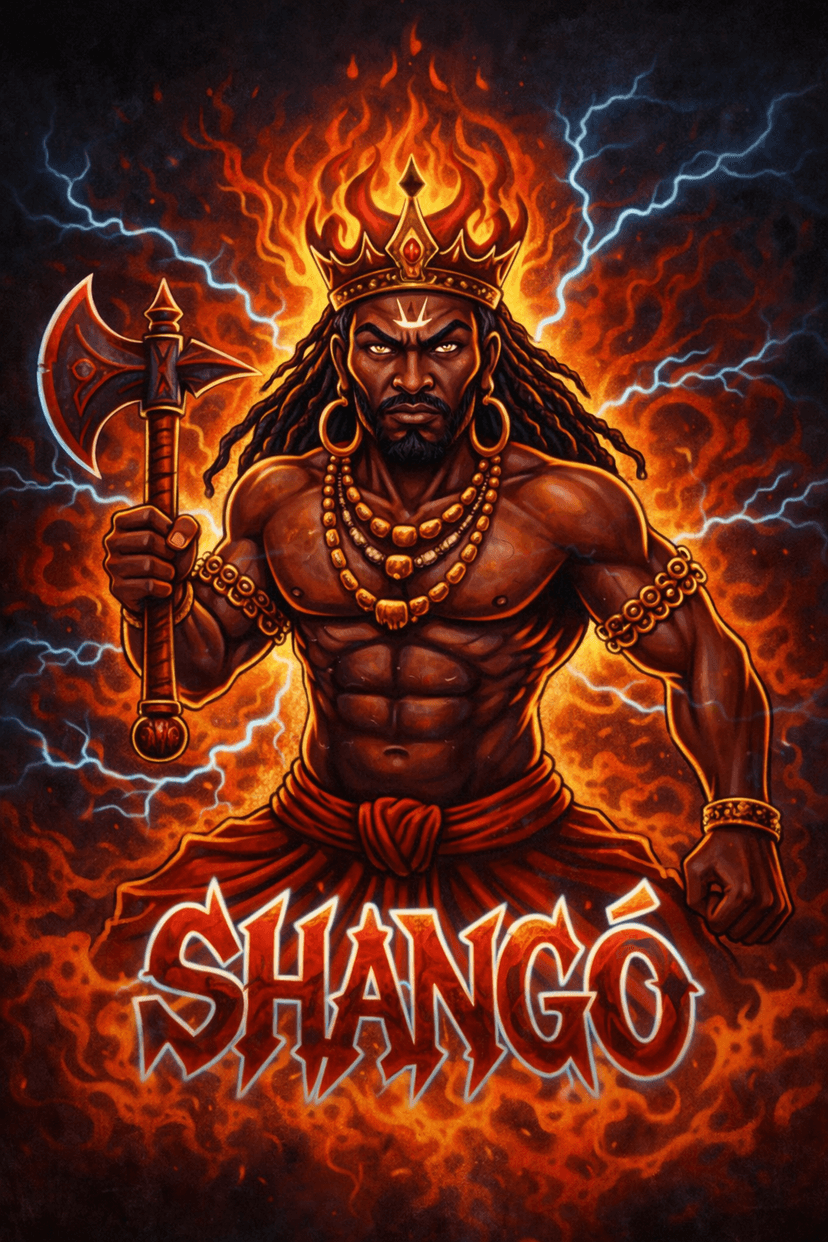
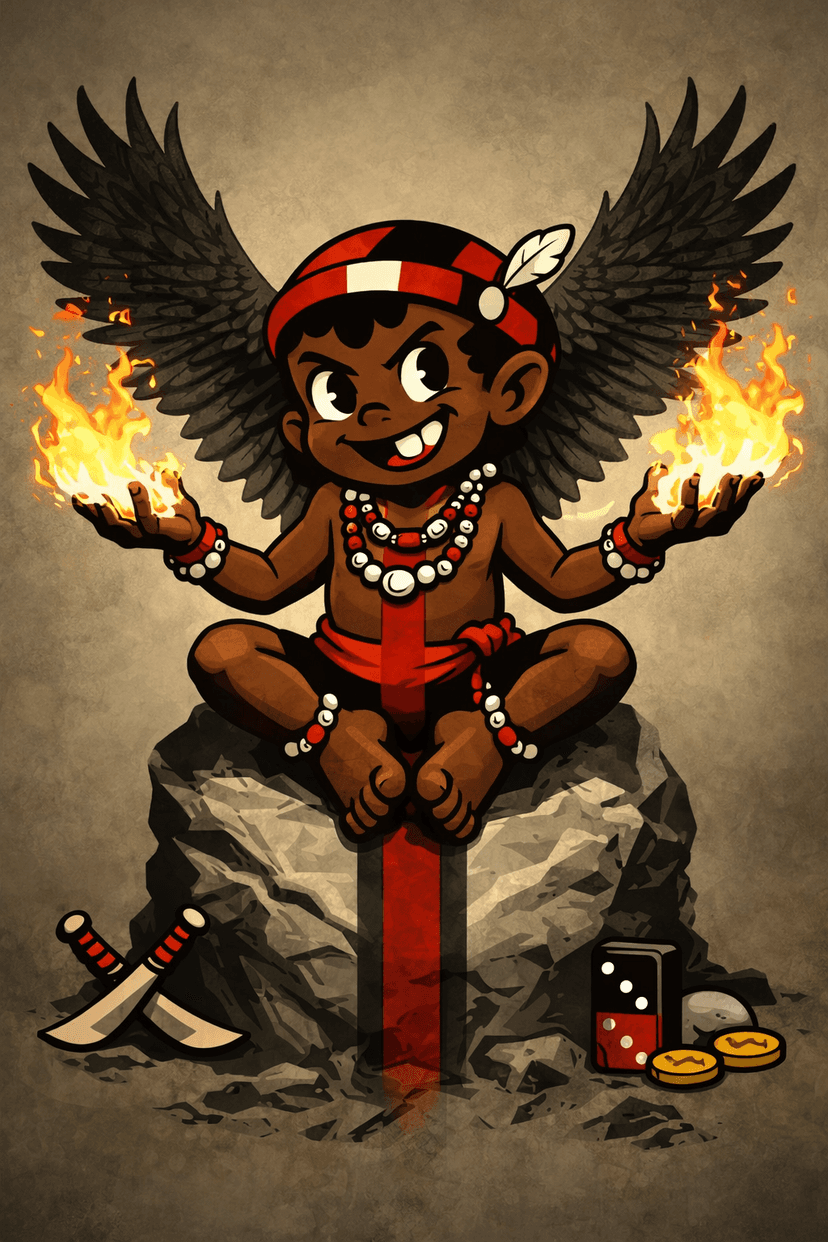
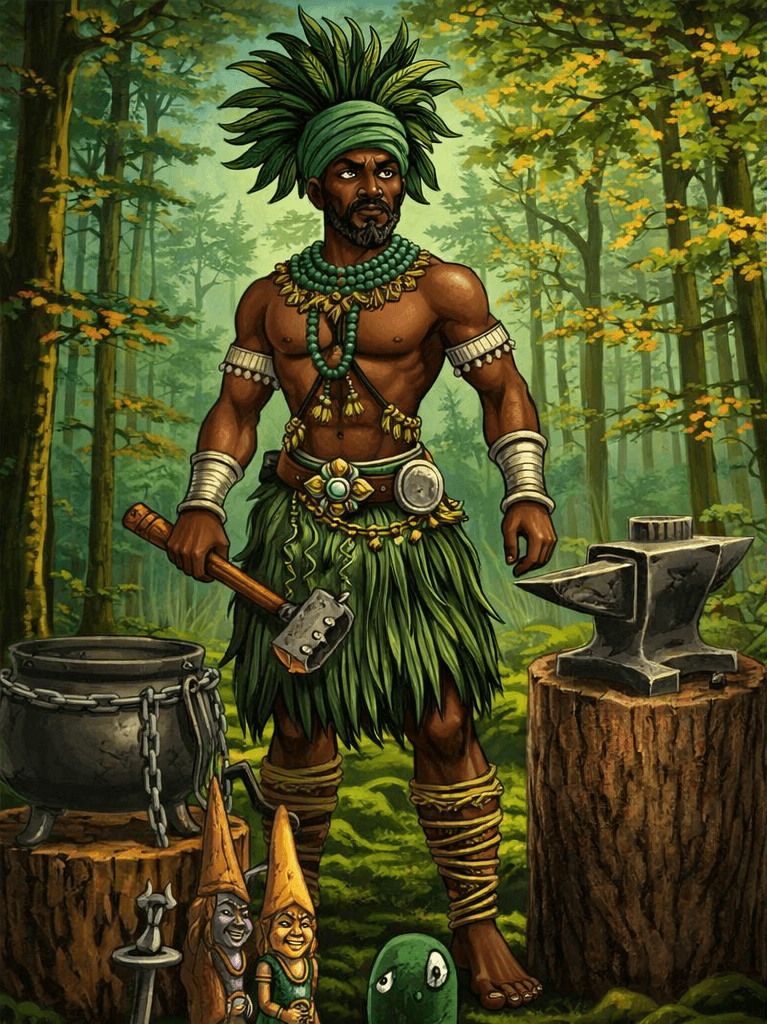
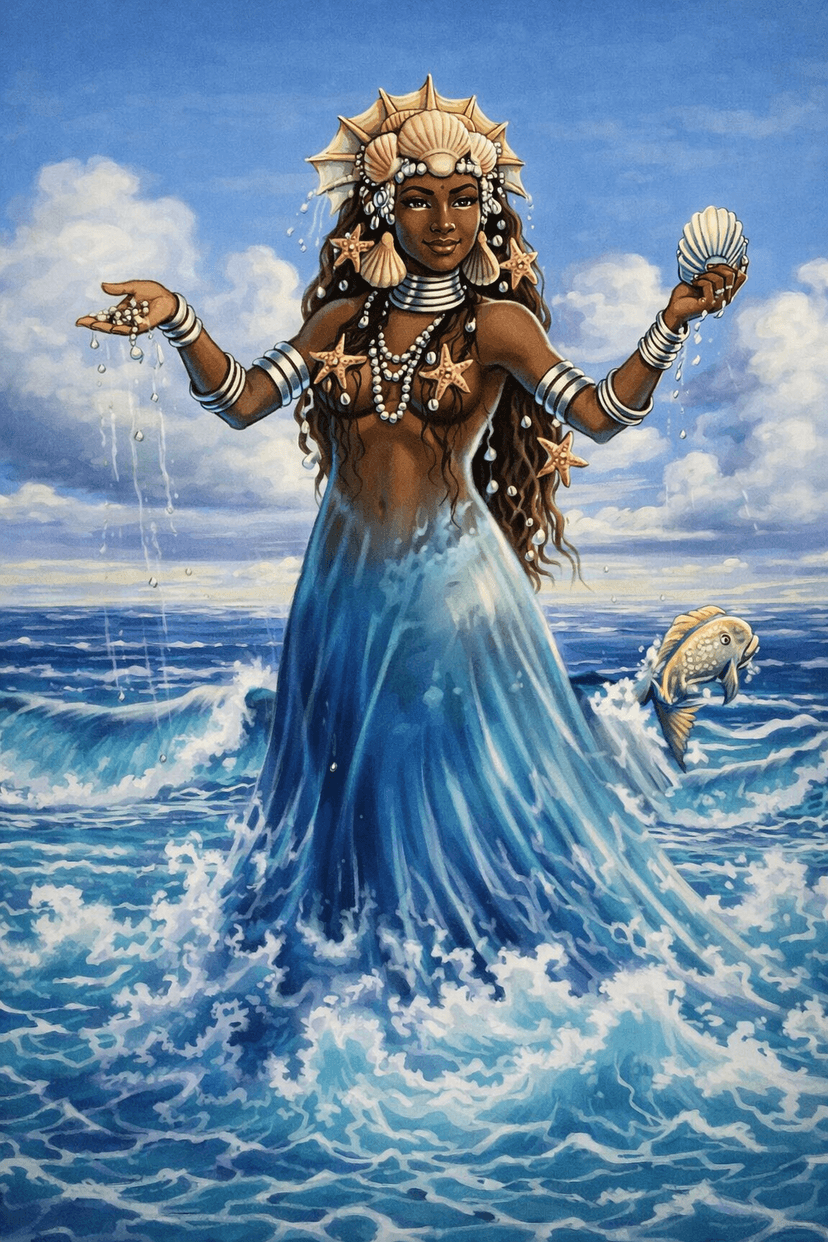
Every Orisha has a signature rhythm pattern (toque) and a corresponding body movement that mimics what that deity rules over: thunder, ocean waves, war, healing, wind, fertility. When you hear a salsa song and a sudden drum break drops into a 6/8 pattern, you are usually hearing an Orisha rhythm - most often Eleguá at the start of the song (he opens the path), or Changó during the moment of greatest fire. Salsa dancers who study Afro-Cuban roots learn to recognise these breaks and respond with the appropriate movement: shoulder rolls for Yemayá, knees pumping for Oggún, sharp arm strikes for Shangó. This is what separates trained Cuban-influenced dancers from those who only know the basic steps.
Why Learning Orishas Makes You a Better Salsa Dancer
Knowing the Orishas changes how you hear music. You start anticipating the breaks, understanding why a song builds the way it does, and responding to percussion the way the music was designed to be answered. It also improves your body isolation: each Orisha movement targets a different part of the body - hips, shoulders, knees, hands, head - so working through all nine builds the full toolkit of expressive movement that high-level salsa requires. At Salsa Rayo we introduce Orisha movements gradually in our intermediate classes, after students have built a strong foundation in basic salsa On2 and bachata technique.
Frequently Asked Questions About Orishas in Salsa
Do you have to be religious to dance Orisha movements?
No. We teach Orisha movements as a cultural and rhythmic vocabulary, with full respect for their religious origin. You do not need to practice Santería or hold any spiritual belief to learn the movements - the same way you do not need to be religious to enjoy gospel music or appreciate flamenco.
How many Orishas are there?
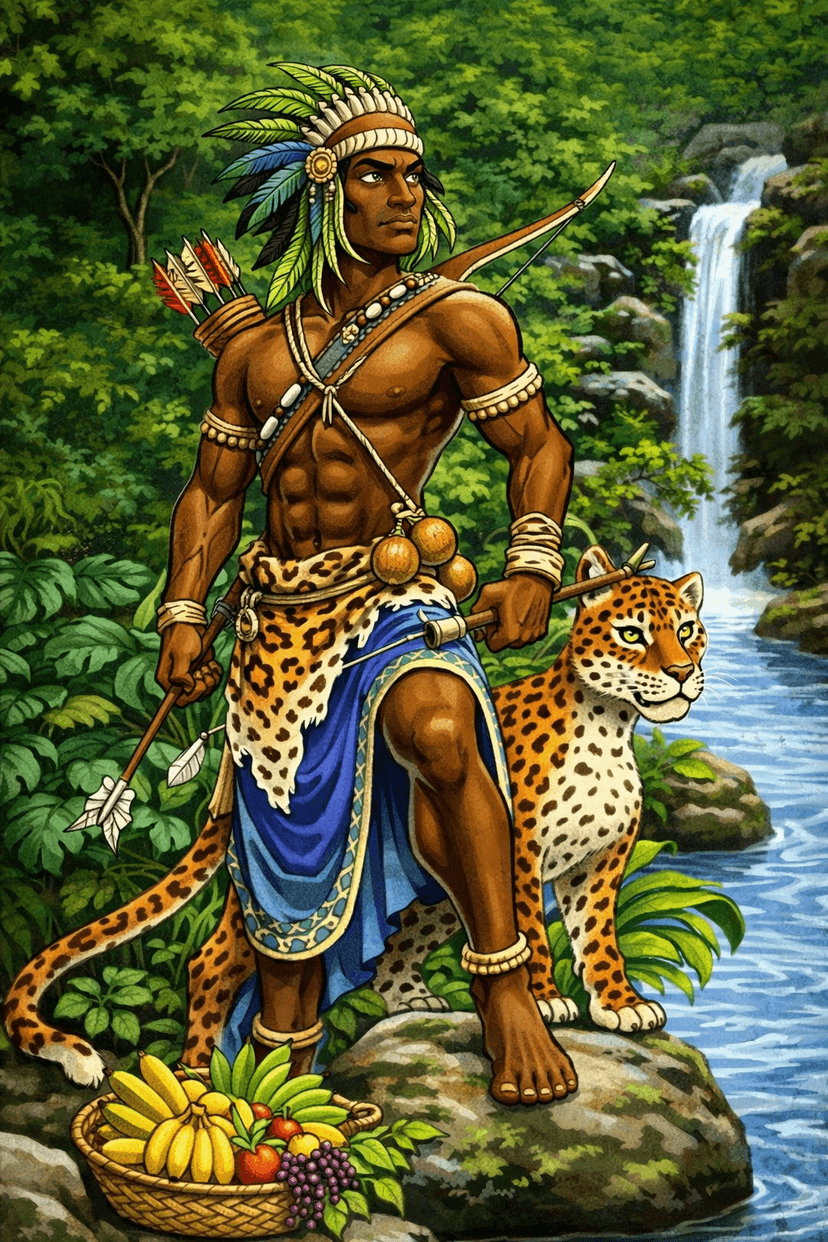
There are hundreds of Orishas in the original Yoruba religion. In Cuba, around 21 are commonly worshipped, and in salsa dance about 7 to 9 appear regularly because their rhythms are the ones most often used in popular Latin music. We feature the most danceable ones above.
Is this cultural appropriation?
We teach Orisha movements in their full cultural context - naming the deities, explaining their origins in Yoruba and Cuban history, and crediting the tradition. Sharing dance respectfully is how culture stays alive across generations. Erasing the names and origins would be the disrespectful path.
Which Orisha is right for a beginner?
Yemayá is the most accessible starting point. Her movement is a flowing, wave-like motion through the torso and arms that translates immediately into salsa styling, and her rhythm appears frequently in popular salsa music.
Can I learn Orishas without learning salsa first?
Yes, but we recommend at least 2 to 3 months of basic salsa or bachata first. Without the underlying step pattern and body isolation foundation, the Orisha movements feel disconnected from the music. Once you have basic timing, the Orishas open up an entire layer of expression.
Experience the Sacred Dance
In our salsa classes, we honor these traditions by incorporating Orisha-inspired movements, helping you connect with the deeper cultural roots of Afro-Cuban dance while mastering the rhythms that move both body and spirit.